




Ram Heavy Duty | Bowie, TX
How to choose between a Ram 2500 and a Ram 3500 when the truck has to pull a real trailer, and what to settle before you buy.
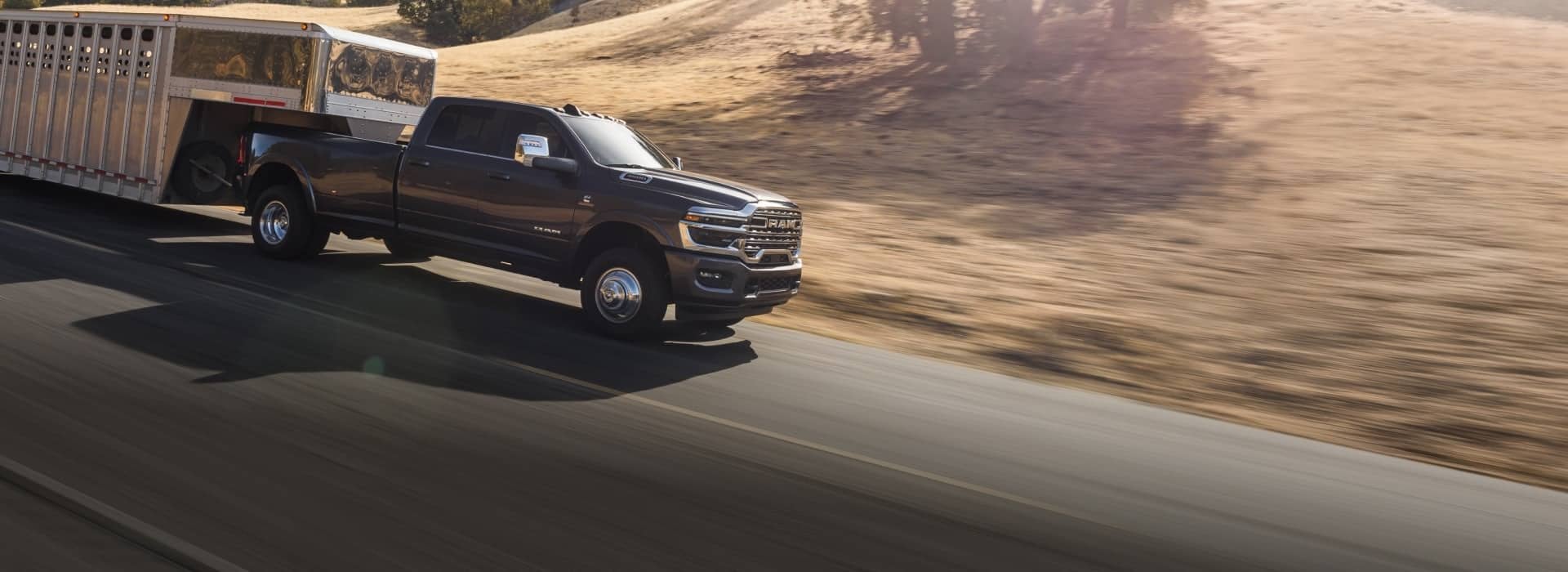
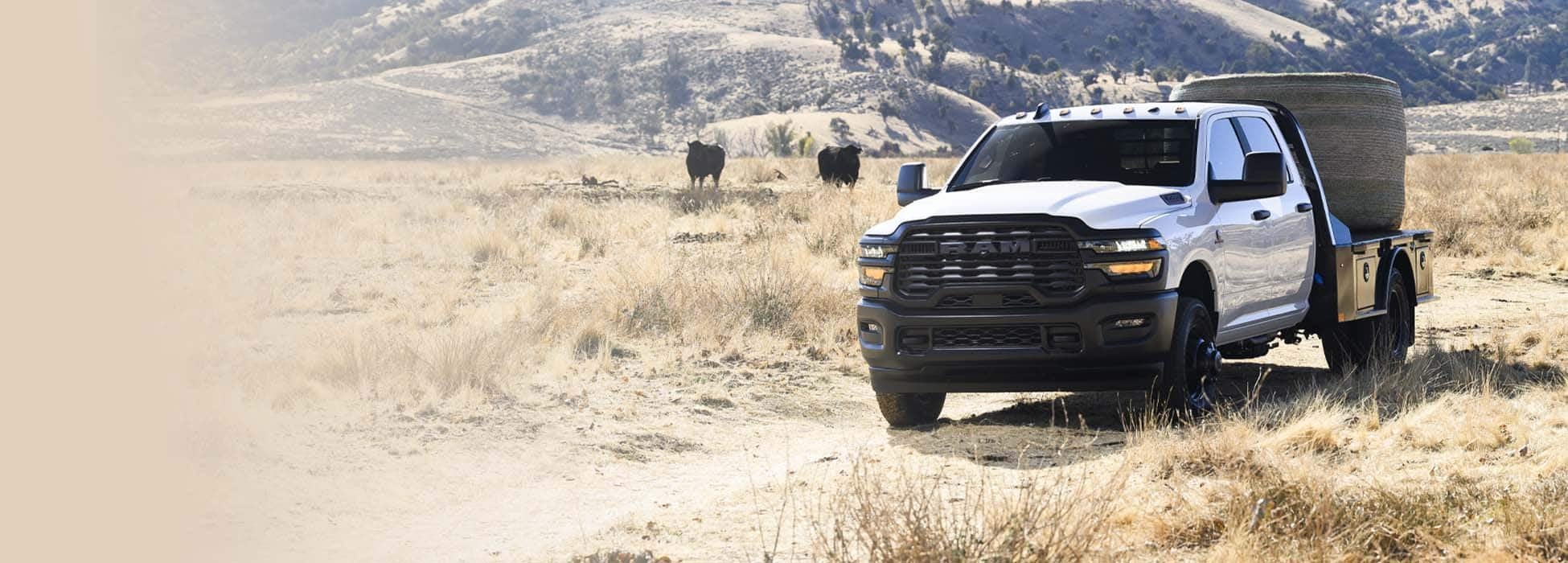
Out past Henrietta and Saint Jo, a truck is a piece of equipment first. It pulls the stock trailer, hauls the round bales and sits at the feed store with a load on, and it does that in July heat and on loose gravel.
That's why the choice between a Ram 2500 and a Ram 3500 matters more than the badge. Pick too small and the truck strains every week. Pick too big and you pay for capacity you never use.
Quick answer: A Ram 2500 covers a lot of ranch and trailer work. A Ram 3500 is the step up for heavier loads you pull often, and it can be set up with dual rear wheels. Settle the heaviest trailer you pull first, then ask Kory Hooks Chrysler Dodge Jeep Ram in Bowie to read the ratings off the exact truck.
At a glance
Most ranch work
Start with a Ram 2500
Heavier, frequent loads
Look at a Ram 3500
Sales line
940-233-9400
In this post
How do I choose between a Ram 2500 and a Ram 3500?
Start with the heaviest trailer you pull and how often you pull it. Match the truck to the heaviest thing you pull most often, and leave the once a year load out of the math.
A Ram 2500 handles a lot of what Montague County ranches ask of a truck. A Ram 3500 makes sense when the loads are heavier, the trips are frequent or you want the stability of dual rear wheels under a big trailer.
Cab and bed choices matter too. A crew cab seats the family and the hands on a work day, and a longer bed hauls more but turns wider in a tight yard. Think about the gate you drive through most.
Neither choice is a mistake if it fits the work. The mistake is guessing, so write down what you pull before you talk numbers with anyone.
Is the Cummins Turbo Diesel worth it on a ranch truck?
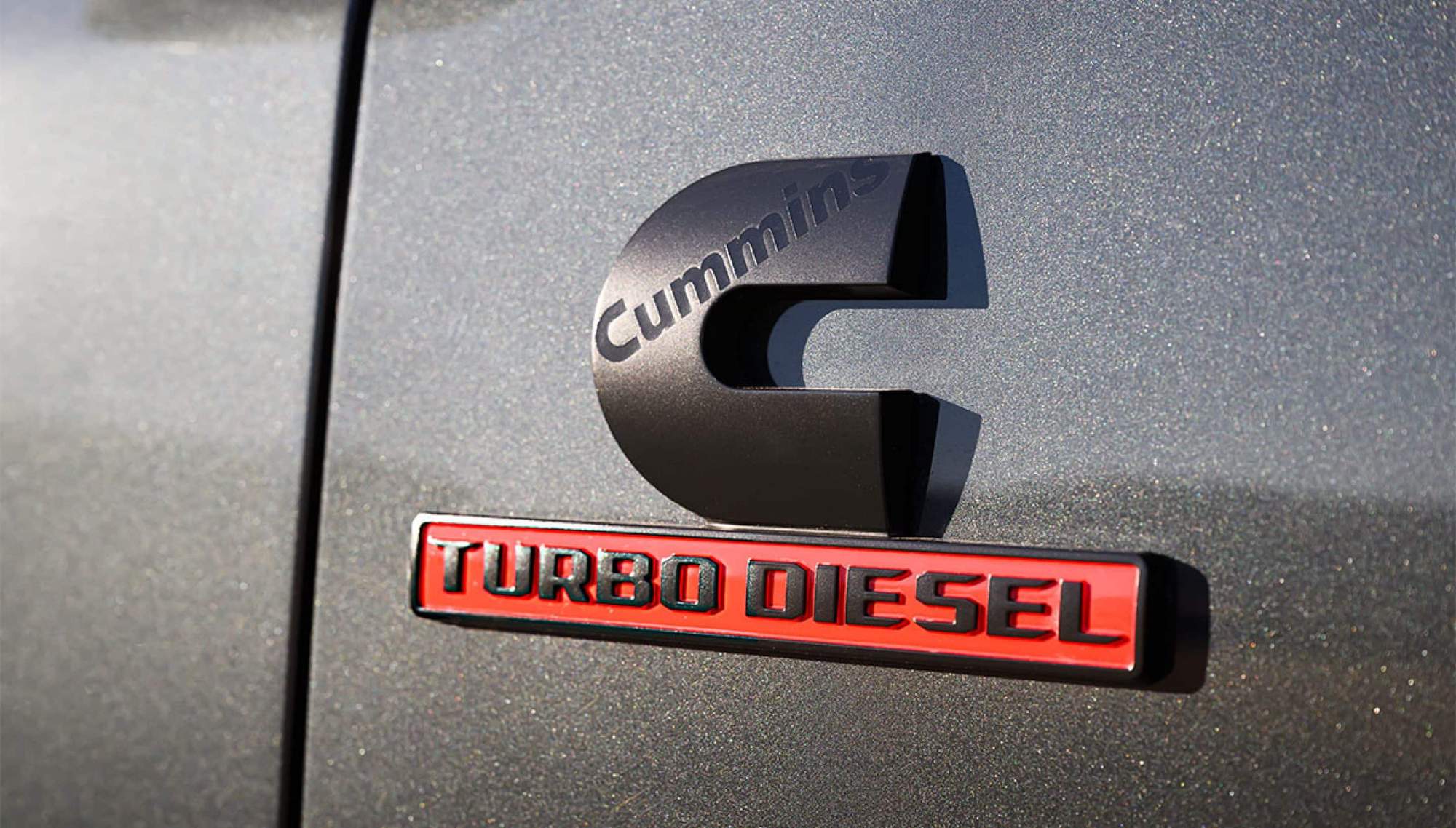
If you tow heavy and often, many owners say yes. A diesel is built for steady work under load, and long hauls are where it earns its place. If your trailer trips are short and occasional, a gas engine may be all you need.
A diesel costs more up front and has its own upkeep. Modern diesels use diesel exhaust fluid that has to be topped off, and the fuel and oil service is different from a gas truck. Ask the service department what the schedule looks like before you decide.
Used Ram 2500 diesel trucks are a common search too. Inventory changes daily, so check the lot or call and ask what's here this week.
What should I know before pulling a livestock or flatbed trailer?
The truck is only half of the setup. The trailer, the hitch and the load all count against the same ratings, and a mismatch shows up as sway, hard braking and tired tires.
Weigh the loaded trailer
Use a public scale once with a normal load, and write the number down.
Read the truck's ratings
Ask the team to read the towing and payload ratings off the exact truck, not a brochure.
Match the hitch
A bumper pull and a gooseneck are different setups, so tell the team which trailer you own.
Ask about towing equipment
Find out what the truck already has for towing, so you only add what's missing.
Trailer pushes the truck: slow down, check the load and the hitch height, and have it looked at before the next trip.
Tires run hot or wear fast: the load, the pressure or the setup is off, so check them before a long haul.
Bowie driver tip
If your regular run is a feed store in Nocona or Saint Jo, or a pasture past Henrietta, weigh the loaded trailer once and write the number on a card in the truck. It saves a lot of guessing the next time someone borrows it.
What is a Ram Chassis Cab, and who needs one?
A chassis cab is sold as a cab and a frame with no bed, so a body can be added to fit the job. Think flatbeds, service bodies and other setups that a standard pickup bed can't do.
The body and the truck have to match, so talk to the sales team early. They can tell you what's on the lot and what the chassis cab models in the Ram inventory look like today.
If you aren't sure what you need, describe the job to the team and let them point you at a cab and frame that fits. That conversation costs you nothing, and it beats finding out after the truck is built.
How do I keep a Ram heavy duty truck ready for work?
Heavy trucks wear tires, brakes and fluids faster than a commuter does, especially with a trailer behind them. A quick check before a big haul beats a breakdown on a county road with a loaded trailer.
Heavy trucks reward routine, too. Oil changes, fluid checks and tire rotations on schedule matter more when the truck works for a living, so write the next service date on a card in the cab.
The service department at Kory Hooks lists brake repair, fluid checks, belts and hoses, transmission services and Goodyear tires, and its technicians are Chrysler, Dodge, Jeep and Ram trained. That covers most of what a working truck needs between hauls.
Why Kory Hooks
On US 287 in Bowie for about twenty years
The store has carried the Hooks name in Bowie for about twenty years. Call 940-233-9400 to talk through the trailer you pull, or stop by 6486 US Highway 287 N Access Rd.
Hours and directionsChoosing a Heavy Duty
Can I drive a Ram 2500 every day?
Many people do. It's a big truck, so think about parking, fuel and the places you drive, and drive one through town before you decide.
Is a crew cab or a Mega Cab better for work?
A Mega Cab gives more rear space, and a crew cab is easier to park and turn. Ask which cabs are on the lot, since stock changes.
What is the difference between single and dual rear wheels?
Dual rear wheels put four tires on the back axle for extra stability under heavy trailers. The truck is wider, so check your gates and parking spots.
Towing and Hauling
Do I need a gooseneck hitch?
It depends on the trailer. Many heavy livestock and flatbed trailers use a gooseneck, while lighter ones use a bumper pull. Tell the team which one you own.
Should I weigh my trailer before I buy a truck?
Yes. A real loaded weight tells you what rating you need, and it's a better guide than the trailer's label.
Does a diesel cost more to maintain than a gas truck?
It can. Diesel service includes fuel filters and exhaust fluid, and the oil change is different. Ask the service team what the schedule looks like.
Buying and Trading
Can I trade in a diesel truck?
Yes. The site has a trade value page, and the final number depends on condition, mileage and the market.
Does the dealership sell used heavy duty trucks?
The store has a pre owned inventory page. The lot changes often, so call to confirm what's here before you drive over.
Does the store sell chassis cab trucks?
The model showroom lists Ram Chassis Cab. Call to ask what's in stock and what body you have in mind.
Visiting the Dealership
When should I call with towing questions?
Sales answers the phone Monday through Friday from 8 AM to 6 PM and Saturday from 8 AM to 5 PM. Call ahead so the right person is ready.
Can I bring my trailer to check the fit?
Ask first. The team can tell you whether a hookup test works that day.
Can I schedule a test drive for a heavy duty truck?
Yes. The site has a test drive form, and you can also call the sales line at 940-233-9400.
Service and Parts
Can the service center handle heavy duty maintenance?
The service page lists brake repair, fluids, transmission services, belts and hoses, and more, done by Chrysler, Dodge, Jeep and Ram trained technicians.
What should I check before a long haul?
Look at the tires and pressure, the brakes, fluid levels and the lights on the truck and the trailer. The service team can check the truck for you.
Where do I get Mopar parts for a Ram heavy duty?
Call the parts department at 940-531-6105. Parts is open Monday through Friday from 8 AM to 5:30 PM and closed on weekends.